22 Indoor Plants and Lighting Ideas That Are Stunning
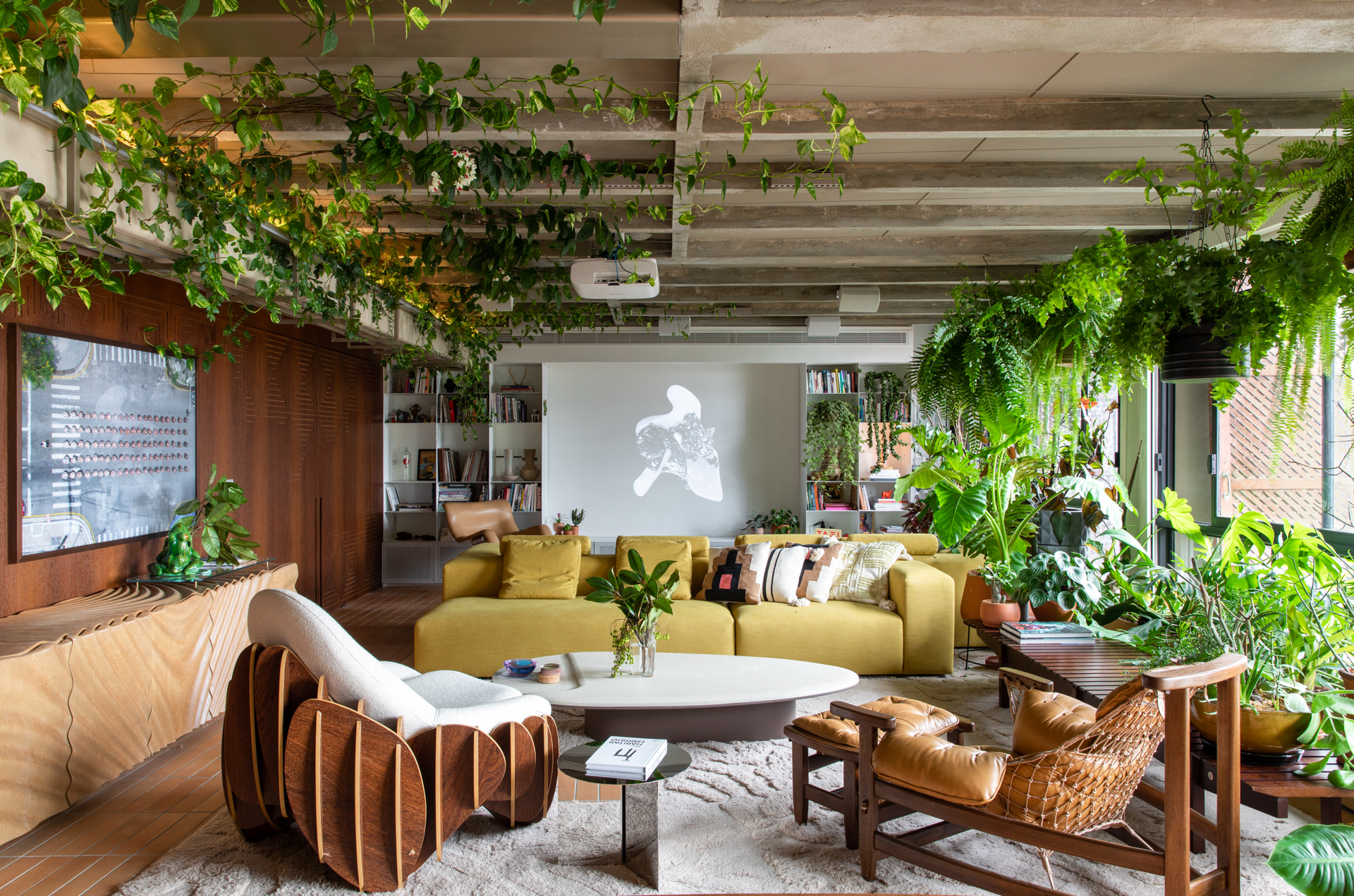

Hey lovely, Eyra here! Does your home feel a little lifeless, like it’s missing that fresh, inviting feeling you see in the prettiest interiors? You are not alone, and the fix is simpler than you think. With the right mix of indoor plants and lighting, even a plain corner can feel calm, alive and completely you. I have gathered 22 indoor plants and lighting ideas for you, from structured plant walls and floating shelves to cosy nighttime glows and easy-care corners, so you can pick the ones that fit your rooms, your light and your life, and start small today.
1. Create a Structured Plant Display
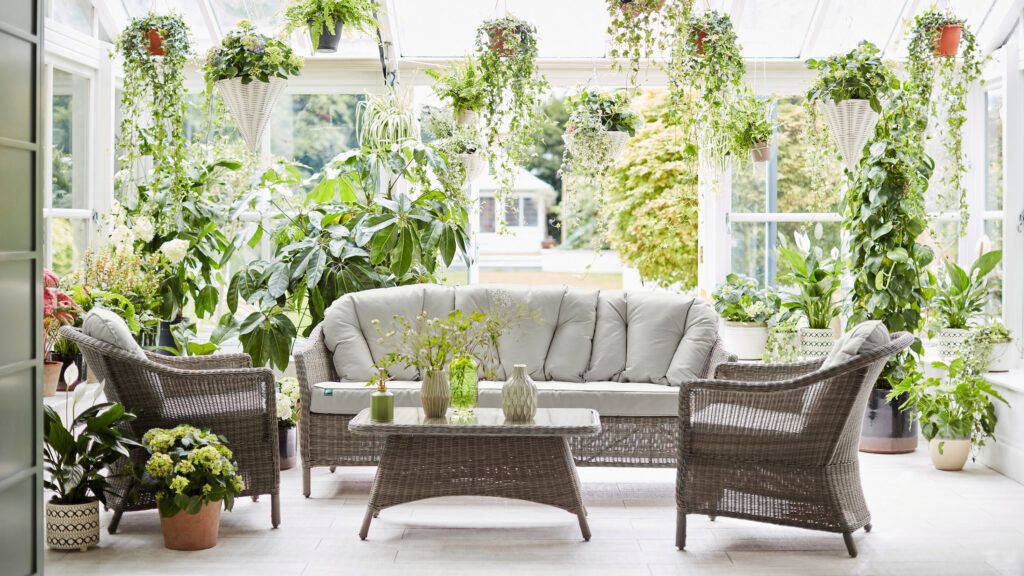
A structured plant display gives your greenery a proper home instead of letting pots wander around the room. Start with a central panel or a recessed wall feature, flank it with narrower alcoves, and let one statement plant, like a monstera or a fiddle leaf fig in a bold planter, take centre stage. Smaller plants in coordinated pots fill the gaps, and a layer of white pebbles at the base keeps the whole thing looking clean, modern and finished, like a piece of living art you built on purpose.
Try this first on a living room feature wall or a wide hallway wall where you already pause and look. Keep the pots in one calm palette, give the tallest plant the most light, and step back often while you arrange it. The mistake to avoid is cramming in every plant you own at once; leave breathing room between them, because a structured display only works when each plant has space to be seen.
2. Use Floating Shelves for Layers and Interest

Floating shelves are my favourite trick when a room feels flat but you do not want another big piece of furniture. Fix two or three slim shelves at different heights inside a side alcove or above a console, then play with height and texture. Trailing plants spill beautifully from the top shelf, upright plants add drama in the middle, and wide-leafed varieties soften the edges, all in serene blues, natural whites and warm wood tones that feel calm together.
This works beautifully in a bedroom, a reading nook or a small living room, and it is wonderfully forgiving if you are renting. Use sturdy brackets, keep heavier pots low, and water with a small jug so you do not splash the wall. The mistake to avoid is lining up identical pots in a perfect row; vary the heights, shapes and leaf sizes, or the shelves will look like a shop display instead of a home.
3. Integrate Smart Lighting for Maximum Impact

Indoor plants and lighting work best when the light is both useful and a little bit artistic. Recessed spotlights above your central display make the main plant glow, LED strips tucked inside alcoves add a soft halo around leaves, and dimmable warm-tone bulbs mimic late-afternoon sun, so the whole corner feels cosy instead of clinical. Together they turn a plant wall into the focal point of the room, day and night.
Use this in the room where you spend your evenings, and put the lights on a dimmer or a smart plug so you can soften them after dinner. Choose warm white, around 2700K, for living spaces, and keep the brightest light on the statement plant. The mistake to avoid is blasting plants with harsh cool-white light all evening; it flattens the greens, feels cold, and makes a beautiful display look like an office.
4. Mix Plant Sizes and Textures

A display made only of small plants can feel fussy, and one made only of tall plants can feel heavy, so mix them. Put your tallest leafy plant centre stage, surround it with compact plants, then let a trailing vine soften one side. Rubber plants, pothos and snake plants are lovely together because their leaves are so different: glossy, heart-shaped and upright, and that contrast keeps your eye moving around the corner instead of stopping in one place.
This is perfect for an empty corner that has always bothered you, especially near a window. Start with three sizes, tall, medium and trailing, and repeat one pot colour to tie them together. Water the tall plant first, then check the small ones, because they dry out at different speeds. The mistake to avoid is grouping plants with wildly different light and water needs in one tight cluster; they will not thrive together, and you will spend more time rescuing them than enjoying them.
5. Blend Natural Materials with Modern Finishes
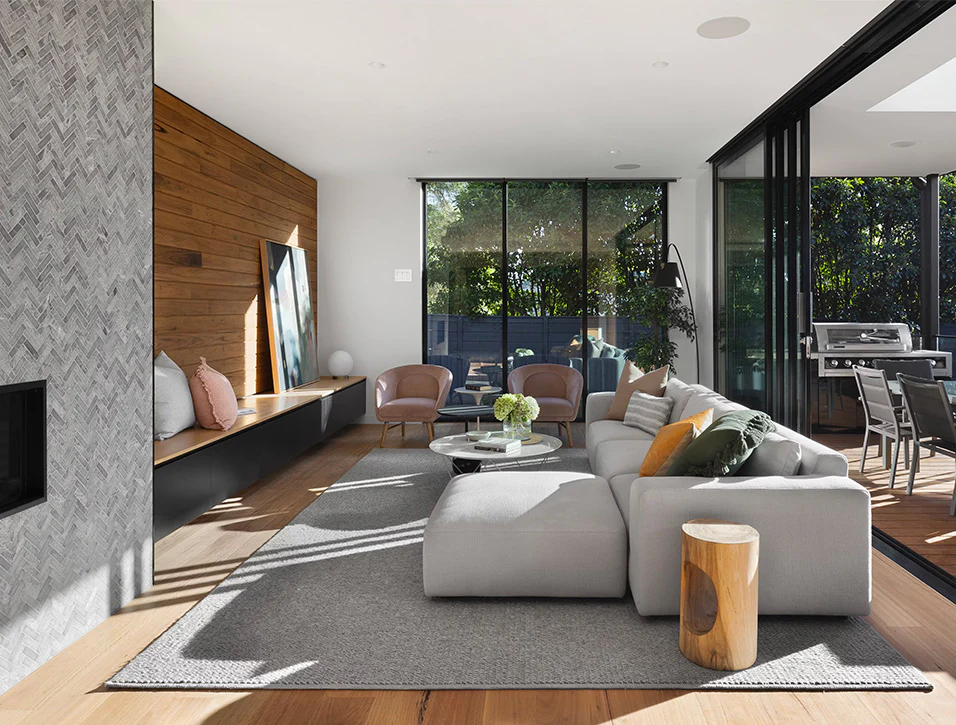
Natural materials are what make a modern room feel warm instead of stark. Pair your plants with white pebbles, wooden planters or woven baskets, then add one modern contrast, like a metallic planter or a coloured ceramic pot, so the look stays fresh. Smooth leaves against rough basket weave, shiny ceramic beside matte stone, that mix of textures is what makes the corner feel layered and expensive, even when most of the pieces are simple and affordable.
Use this idea anywhere you want the indoors to feel connected to the outdoors: a living room corner, a sunroom or a bedroom window. Keep the natural palette calm and let one metallic or coloured pot be the accent. The mistake to avoid is mixing too many competing materials at once; pick wood, woven and one metal, and repeat them, or the corner will feel busy instead of grounded.
6. Make It a Radiant Nighttime Feature
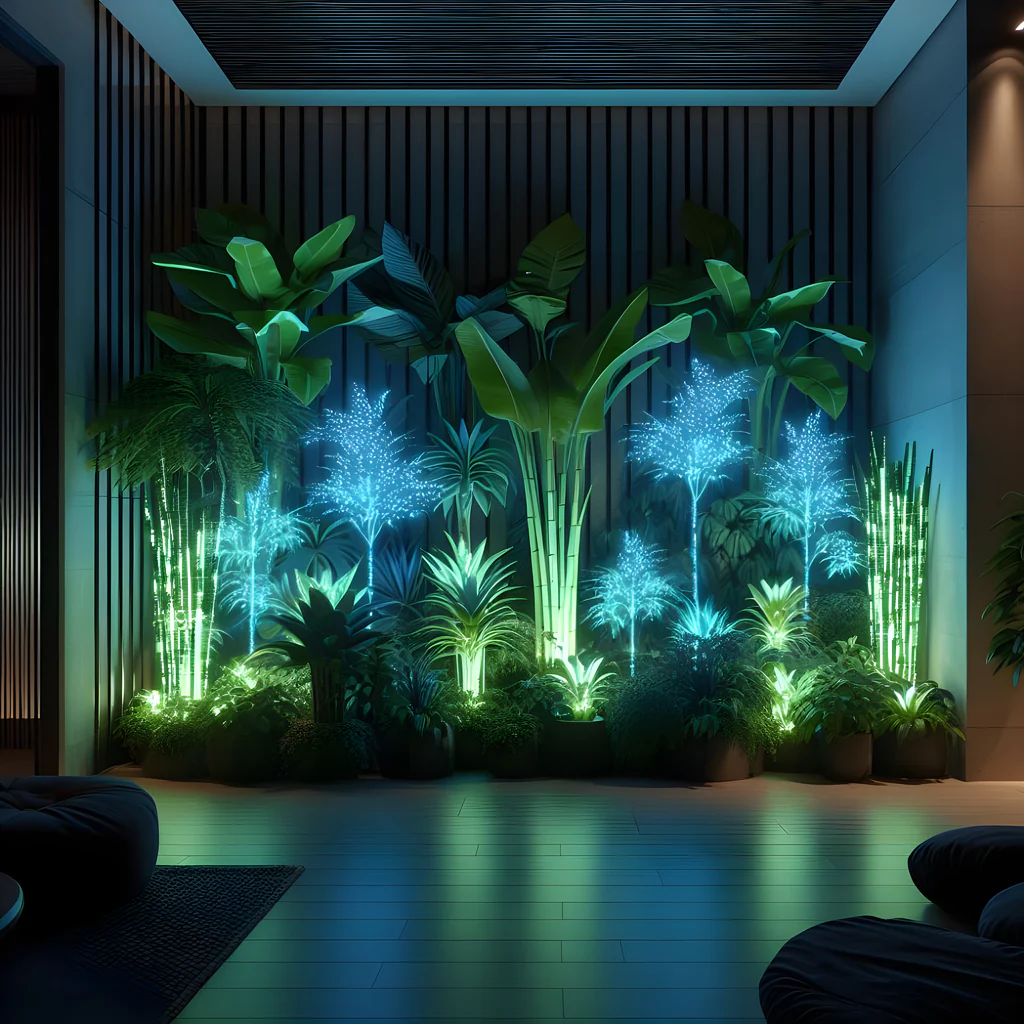
The right lighting can turn your plant display into the prettiest thing in the room after dark. Focus a spotlight on your tallest plant, add under-shelf LEDs for a soft underglow, and suddenly the leaves cast gentle shadows on the wall and the whole corner feels magical. Colour-changing LEDs are fun for a mood shift, and a smart system lets you change it all with a tap on your phone, no getting up to fiddle with switches.
Save this for your main evening room, and keep the glow low and warm so it feels relaxing rather than like a party. A timer helps, so the lights come on as daylight fades and switch off at bedtime. The mistake to avoid is leaving bright plant lights on all night in a bedroom; your plants do not need it, and your sleep will thank you for a proper dark.
7. Hang Planters from the Ceiling

Hanging planters lift the greenery up to eye level and free your floor and shelves completely. Use macrame hangers, slim metal hooks or a simple ceiling rail, and hang them at slightly different lengths so the trailing leaves fall like a soft green curtain. Pothos, string of pearls and spider plants are perfect here, because they love to spill, and they look wonderful against a plain ceiling or exposed beams.
Hang them near a window, over a reading chair or in a corner that feels empty above waist height, and always check the ceiling fixings can take the weight of a watered plant. Use a saucer inside the hanger and water slowly. The mistake to avoid is hanging plants so low that you keep bumping your head or blocking the light; keep the longest trails above shoulder height in walkways.
8. Build a Sunny Window Seat Plant Nook

A window seat is already the cosiest spot in the house, and plants make it feel like a little greenhouse. Line the sill and the seat ends with ferns and leafy plants that love bright, indirect light, add linen cushions in a soft neutral, and finish with a small brass lamp for cloudy mornings. The light through the leaves throws the prettiest dappled shadows, and the whole nook invites you to sit down with a book and stay a while.
This is ideal for a living room bay window or a wide bedroom window, especially if you work or read there. Rotate the pots every week so they grow evenly, and keep a small tray under each one to protect the wood. The mistake to avoid is crowding the seat so full of pots that there is nowhere left to sit; leave at least half the seat clear, or the nook stops being usable.
9. Make a Monstera Statement Corner with a Floor Lamp

Sometimes one big plant does more than ten small ones. Give a monstera its own corner, in a bold ceramic planter, and pair it with a tall arched or tripod floor lamp that washes light down over its split leaves. The scale is instantly dramatic, the lamp makes the leaves glow in the evening, and the corner suddenly feels designed, not just filled.
Place this in a living room corner with space around it, at least a foot clear on each side, so the leaves can spread. Dust the big leaves gently every couple of weeks so they stay glossy and catch the light. The mistake to avoid is pushing the monstera hard against the wall or the sofa; it needs airflow and room to grow, and squashed leaves will brown at the edges.
10. Add Bedside Greenery for a Calmer Bedroom

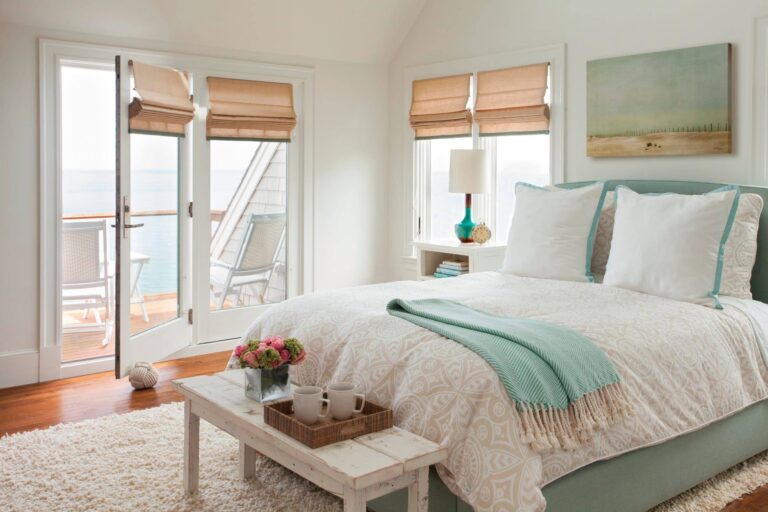
Bedrooms should feel like a deep breath, and a little greenery by the bed helps more than you would expect. A peace lily or a small snake plant on the bedside table, beside a warm lamp with a linen shade, softens the whole room. The greens look beautiful against linen bedding and pale wood, and the gentle light makes the corner feel restful rather than stark.
Keep it to one or two small plants in the bedroom, in pots that match your bedding tones, and choose low-light plants if your bedroom does not get much sun. Water sparingly and keep leaves away from the lamp shade. The mistake to avoid is filling the bedside with large, thirsty plants that need bright light; a bedroom plant should be calm and easy, not another chore before bed.
11. Create a Bathroom Spa Corner with Warm Sconces

Bathrooms are secretly perfect for plants, because the steam and humidity feel like a tropical holiday to ferns and orchids. Set a fern on a wooden stool, add a small orchid on the vanity, and warm it all up with soft sconce lighting instead of a harsh ceiling light. The combination feels like a spa, and it makes even a quick shower feel a little luxurious.
This works best in a bathroom with at least a small window or good ventilation, and in a spot where splashes will not sit on the leaves. Choose humidity lovers, keep pots on a tray, and wipe leaves if water spots appear. The mistake to avoid is putting a sun-loving plant in a dark, windowless bathroom; it will fade fast, so stick to low-light, humidity-loving varieties there.
12. Grow a Kitchen Herb Garden with Under-Cabinet Light

A kitchen herb garden is the one plant idea that pays you back at dinner time. Line up basil, mint and rosemary in matching ceramic pots along the backsplash, and add warm under-cabinet LED strips so they glow while you cook. The greens smell wonderful, they are always within reach, and the soft light makes the whole kitchen feel warm and alive in the evening.
Keep the herbs near the sink or the prep area, in pots with drainage, and snip them regularly so they stay bushy. Under-cabinet light should be warm, not blue, so the kitchen still feels cosy. The mistake to avoid is planting mint in a shared planter; it spreads fast and will crowd out the basil and rosemary, so give mint its own pot.
13. Welcome Guests with an Entryway Plant and Pendant

First impressions matter, and your entryway sets the tone for the whole home. A tall plant in a woven basket beside the console, lit by one warm pendant, says calm and welcoming before you have even said hello. Add a small tray for keys and a mirror above the console, and the light will bounce around the leaves and make a narrow hallway feel bigger.
Keep the plant slim and upright so it does not block the door swing, and choose a planter that can handle a bump from a bag or a coat. A timer on the pendant means the welcome glow is on when you come home. The mistake to avoid is using a trailing plant in a tight entryway; it will catch on coats and bags, so save trailing varieties for wider rooms.
14. Build a Cosy Reading Corner with Trailing Pothos

A reading corner only needs three things to feel perfect: a comfortable chair, good light and something green nearby. Hang a shelf above the chair, let a pothos trail down beside it, and add a floor lamp with a warm shade so you can read without squinting. The leaves soften the corner, the light pools just where you need it, and the whole spot feels like it was made for slow evenings.
Place this by a window if you can, or in a quiet corner away from the TV, and keep a small side table for your book and a cup of tea. Trim the pothos when it gets too long, and root the cuttings in water for free new plants. The mistake to avoid is putting the lamp behind the chair where it casts your shadow on the page; bring it to the side, at shoulder height, for the easiest reading light.
15. Add a Plant Ledge Above the Sofa with Picture Lights

That blank wall above the sofa is begging for something, and a slim plant ledge is a lovely answer. Fix a narrow ledge, line it with small pots in one colour family, and add slim picture lights above so the leaves glow in the evening. It frames the sofa beautifully, it does not take up any floor space, and it is much softer than a big framed print.
Keep the pots small and light, secure the ledge properly, and leave gaps so you can see the wall colour between them. Water with a small can and a tray, and check the lights are warm white. The mistake to avoid is overloading the ledge with heavy pots or tall plants; it will look top-heavy and feel unsafe above where you sit, so keep it light and low.
16. Make a Terrarium Centrepiece for the Coffee Table

A terrarium is a tiny garden you can enjoy from the sofa, and it is perfect when you want greenery without a big commitment. Fill a clear glass vessel with pebbles, moss and two or three small ferns, add a tiny piece of driftwood, and set it in the centre of the coffee table. It catches the light beautifully, it sparks conversation, and it needs far less care than a room full of pots.
Use a terrarium in the living room or on a dining table, and open the lid now and then so it does not get too steamy. Mist lightly instead of pouring water in. The mistake to avoid is putting a closed terrarium in direct sun; it heats up like a greenhouse and will cook the plants inside, so keep it in bright, indirect light.
17. Turn a Moss Wall into Backlit Living Art

If you love the look of a plant wall but not the watering, a preserved moss wall is your friend. Panels of soft green moss, backlit with a warm LED glow, make a stunning piece of living art that needs no water, no soil and no sunlight. It adds colour, texture and a sense of calm to a plain wall, and it is wonderfully low maintenance.
Hang it in a living room, hallway or home office where you want a focal point without a lot of upkeep, and keep it out of direct sun and steamy bathrooms. Dust it gently with a soft brush now and then. The mistake to avoid is treating preserved moss like a live plant and misting it; water will damage it, so keep it dry and enjoy it as art.
18. Pair Plants with a Mirror to Double the Light

Mirrors and plants are a perfect pair, because the mirror doubles the greenery and bounces light around the room. Hang a large round or arched mirror opposite a window, place a plant beside it, and suddenly the room feels brighter, bigger and twice as green. The reflection also lets you enjoy the back of a beautiful plant you would otherwise never see.
Try this in a small or dark living room, a hallway or a bedroom that needs more light. Keep the mirror clean, and angle it so it reflects the plant, not a cluttered corner. The mistake to avoid is hanging the mirror where it reflects a harsh light or a messy area; it will double the clutter too, so choose the view carefully.
19. Style a Dining Table Runner with Plants and Warm Light

A dining table does not need a tall centrepiece that blocks conversation. Try a low runner instead: small potted herbs, trailing plants and a few warm candles or fairy lights running down the centre. It feels fresh and generous, it smells lovely, and guests can still see each other across the table, which is the whole point of dinner together.
Use this for everyday meals and for gatherings, and keep the plants low, under eye level when seated. Choose sturdy pots that will not tip, and keep candles away from leaves. The mistake to avoid is using a tall, bushy plant in the middle of the table; it will block faces and get knocked over, so save tall plants for the corners of the room.
20. Create a Desk Plant Duo with a Task Lamp

Working from home feels so much better with a little green on your desk. Pair two small plants, one upright and one trailing, with a warm task lamp, and your workspace instantly feels calmer and more focused. The lamp gives you clear light for reading and typing, the plants soften the screen glare, and the whole desk feels like a place you actually want to sit at.
Keep the plants small enough that they do not crowd your keyboard, and put them to the side of your dominant hand so you do not knock them over. A snake plant and a pothos are a great desk duo because they are tough and forgiving. The mistake to avoid is putting a thirsty, sun-loving plant on a dark desk in a corner; it will struggle, so match the plant to the light your desk really gets.
21. Brighten a Low-Light Corner with ZZ, Snake Plant and an Uplight

Not every corner gets good light, and that is okay. ZZ plants, snake plants and peace lilies are the heroes of low-light rooms, and a soft uplight behind them makes the corner glow instead of looking forgotten. The upright leaves catch the light beautifully, the pots add colour, and a dark corner suddenly feels intentional.
Use this in a hallway, a north-facing corner or beside a wardrobe where other plants have failed. Water these plants sparingly, they store water in their leaves and roots, and check the soil is dry before watering again. The mistake to avoid is overwatering low-light plants to compensate for the lack of sun; soggy soil is the fastest way to lose them, so less water, more patience.
22. Set Up an Easy-Care Maintenance Nook That Keeps Plants Happy

The secret to plants that actually thrive is not a green thumb, it is a simple routine, and a little maintenance nook makes it easy. Keep a watering can, a mister, clean scissors and a few spare pots together on a shelf near your plants, and give yourself five minutes a week to water, rotate pots so all sides get light, and dust the leaves. Plants that are dusted catch more light, and plants that are rotated grow evenly instead of leaning toward the window.
Set this up in a laundry room, a hallway cupboard or a sunny kitchen corner, and keep the tools where you will actually use them. Choose plants that suit your light, like ZZ plants or peace lilies for low light, and do not be hard on yourself if one does not make it. The mistake to avoid is watering on a strict schedule without checking the soil; always feel the top inch first, because seasons, pots and rooms all change how fast soil dries.
A well-planned mix of indoor plants and lighting brings life, elegance and a modern touch to any room, and the three golden rules are simple: give every plant the light it really needs, layer your lighting warm and low instead of harsh and bright, and leave space for each plant to breathe and be seen. Start small, pick one or two ideas from this list that fit your home today, experiment with placement, and let your unique style shine through. I would love to see what you create, so share a photo of your favourite corner in the comments, tell me which idea you tried first, and come back soon for more fresh ideas for your home.
One Comment